

Process Transfer & Validation
Orthopedic process transfer and validation
Transferring an orthopedic product family
A second source has to reproduce the features that make a product family work together. For a family of trauma plates and screws, that means the screw head seating in the plate, the thread engagement and the fit after finishing. The order in which sizes transfer matters to the people replenishing stock.
1. Agree the scope and representative sizes
The OEM supplies the released drawings, mating components, specifications, demand by size and launch date. Croom maps the common operations and identifies variants that challenge the route, such as the longest plate, smallest hole or deepest screw recess. Both teams agree which sizes need separate evidence.
2. Build the fixtures and agree the gauges
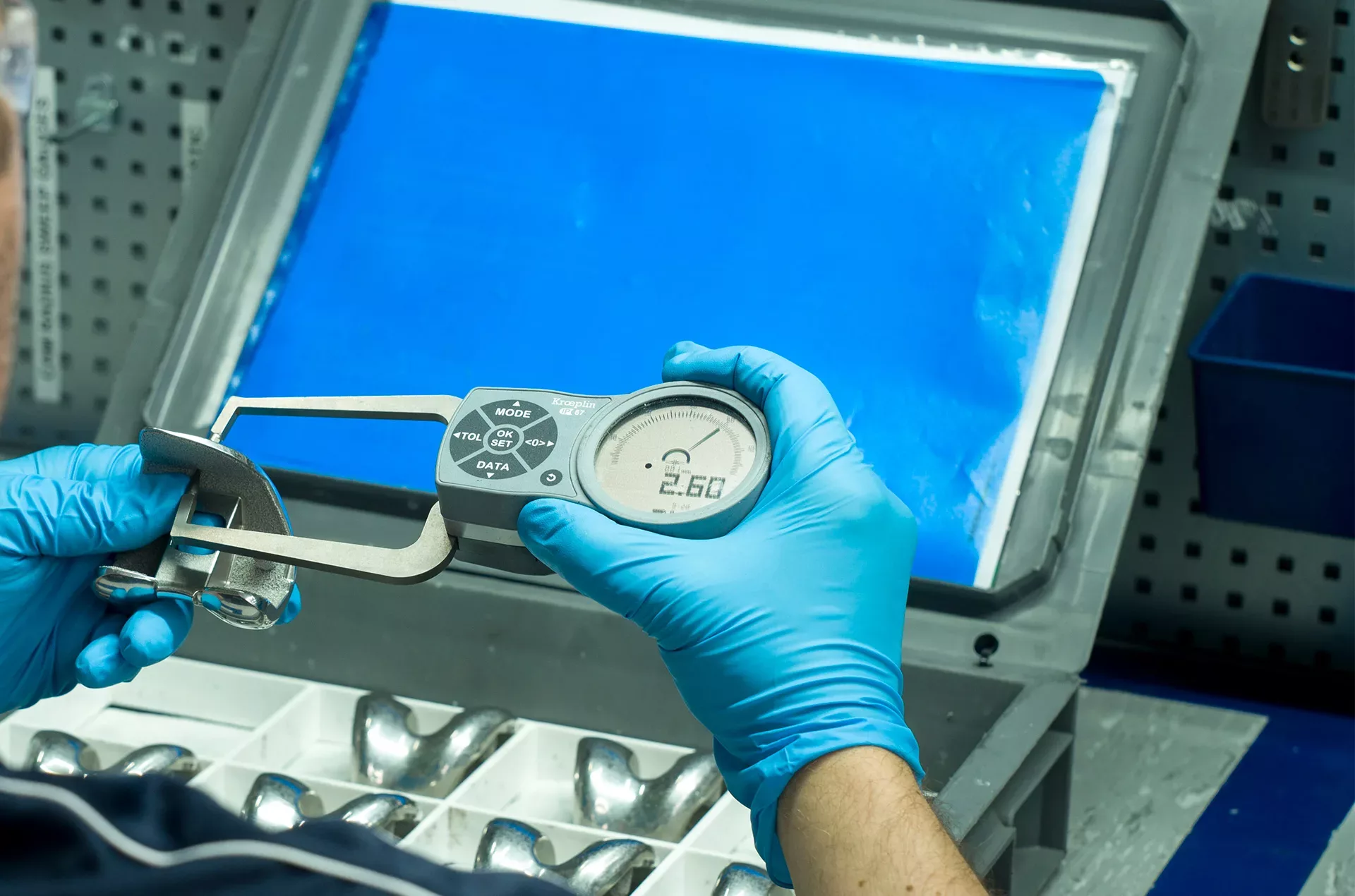
Croom develops the workholding, machining sequence and inspection plan. Together we agree the datum, the mating check, when it takes place and which gauges need correlation with the existing source. We use the first articles to review the results against the drawing.
3. Qualify the route and release the first lot
Croom prepares the agreed qualification protocols and records the results. The OEM reviews the evidence and approves the transfer under its own change process. We agree the release decision for each size before it enters the supply plan.
4. Phase the cutover and replenishment
Set a launch quantity for each size, agree which stock covers the overlap with the existing source and name the person who can release the next order. After launch, forecast updates and agreed replenishment triggers guide repeat batches. A change in size mix can move the bottleneck between machining and inspection.
Capabilities
Joint Partnership
We help drive progress for our medical device customers by enhancing both their production capacity and their product and process innovation.
Manufacturing Capabilities
The facilities, technologies and processes to deliver end-to-end manufacturing.
Value-Add Capabilities
The team, expertise, and ingenuity to drive tangible added-value for our customers.