

Intramedullary Nails & Locking Components
Intramedullary nail design review for orthopedic OEMs
How do you assess an intramedullary nail design for manufacture?
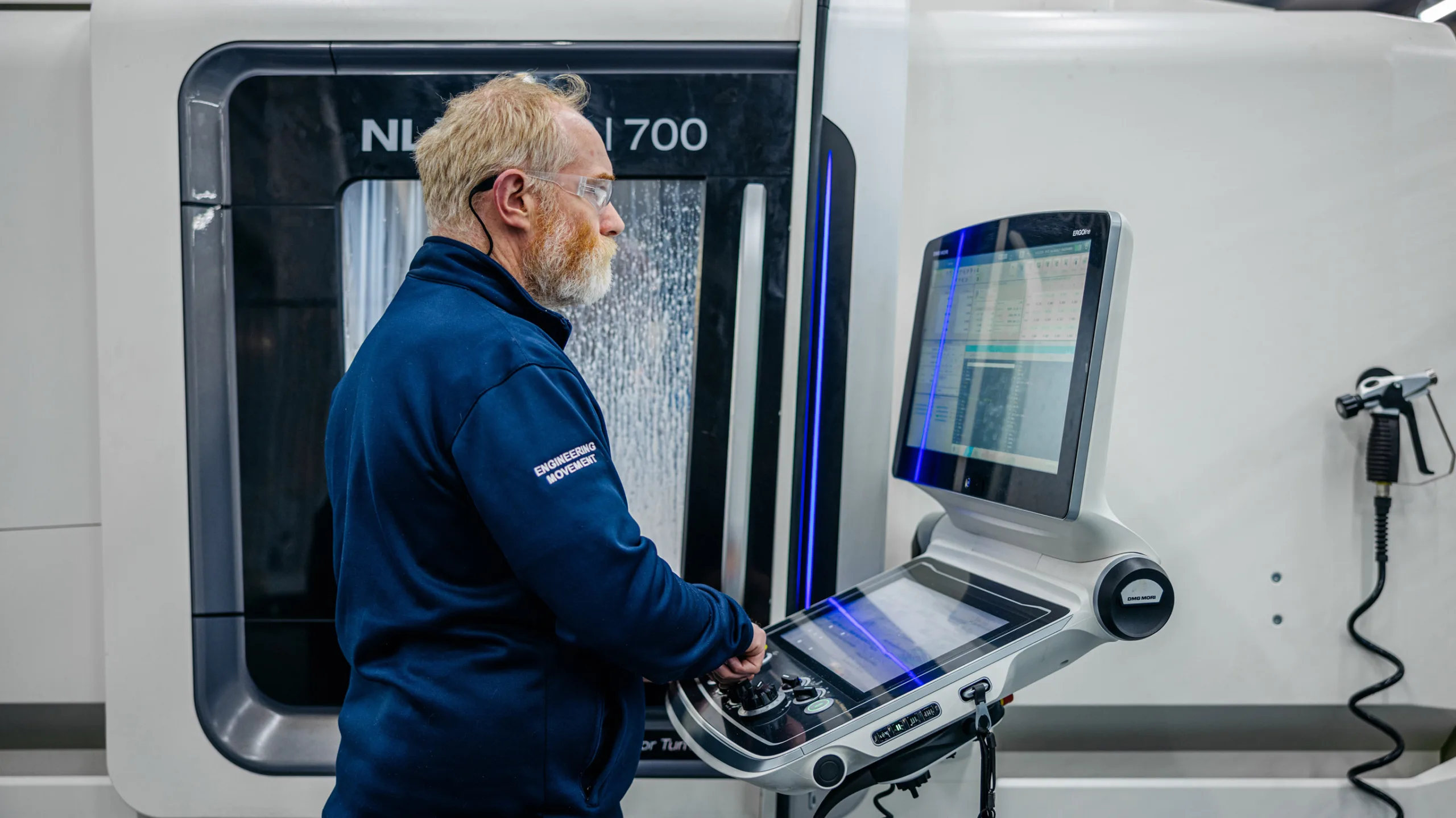
Croom Medical reviews intramedullary nail drawings with orthopedic OEMs in Limerick. We start with the shaft, locking screws, end cap and targeting guide as an assembly. A change to the shaft can move the locking hole relative to the guide, even when the screw itself meets its drawing. We review the bore, datums and mating parts before proposing a manufacturing route.
What defines the manufacturing route?
Nail shafts and cannulation
Overall length and outside diameter give us a starting point. For a cannulated nail, we also review the bore diameter, depth, straightness and the wall remaining at the locking holes. On a curved shaft, the drawing needs to show which features are controlled before and after forming.
Locking screws and end caps
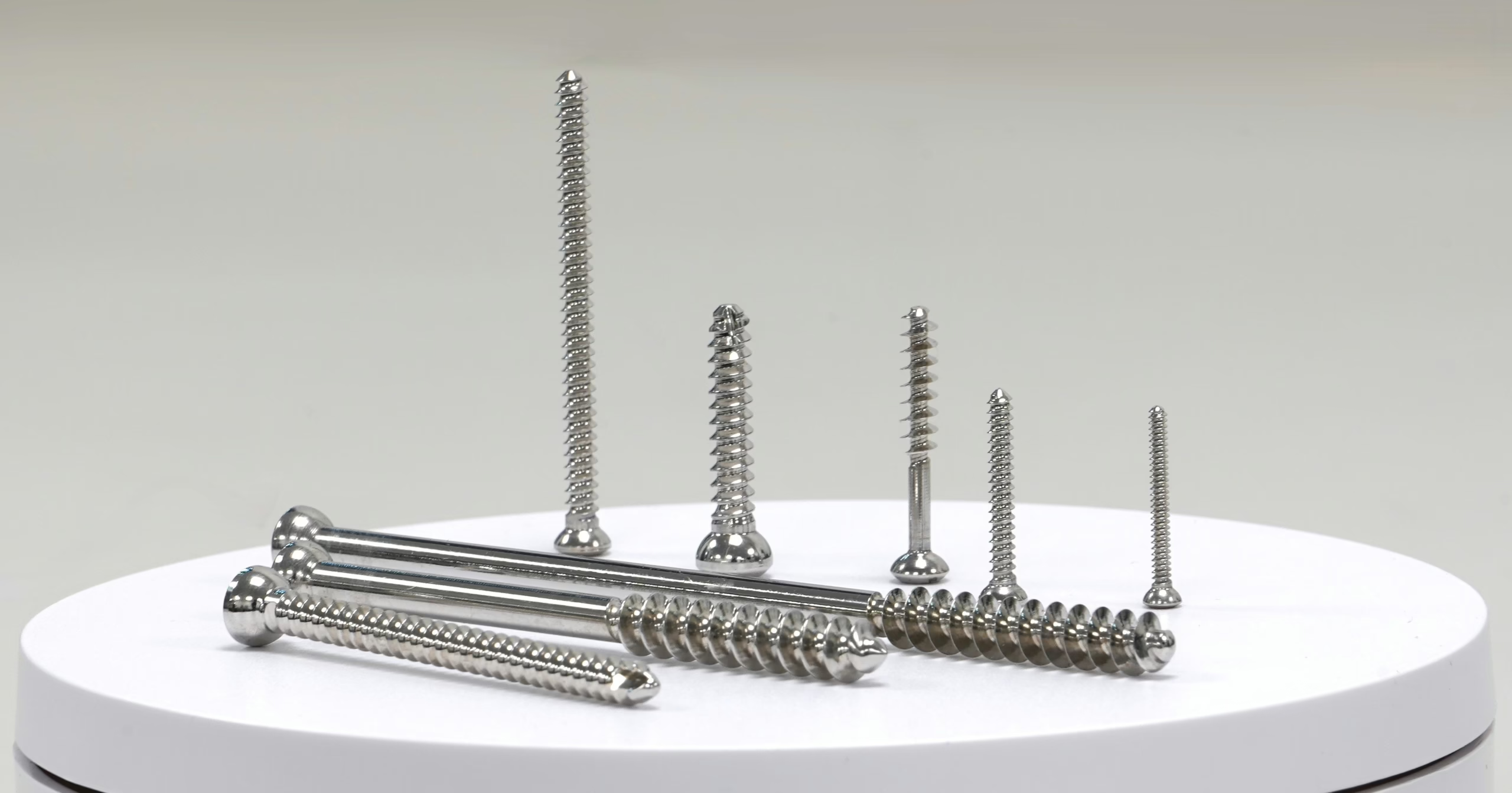
We review the screw head, thread and driver recess against their mating parts. For end caps, the engagement depth and final seating position determine what a functional gauge needs to check. The size mix helps us identify where a Swiss-turning setup or gauge can serve more than one variant.
Inspecting the locking features
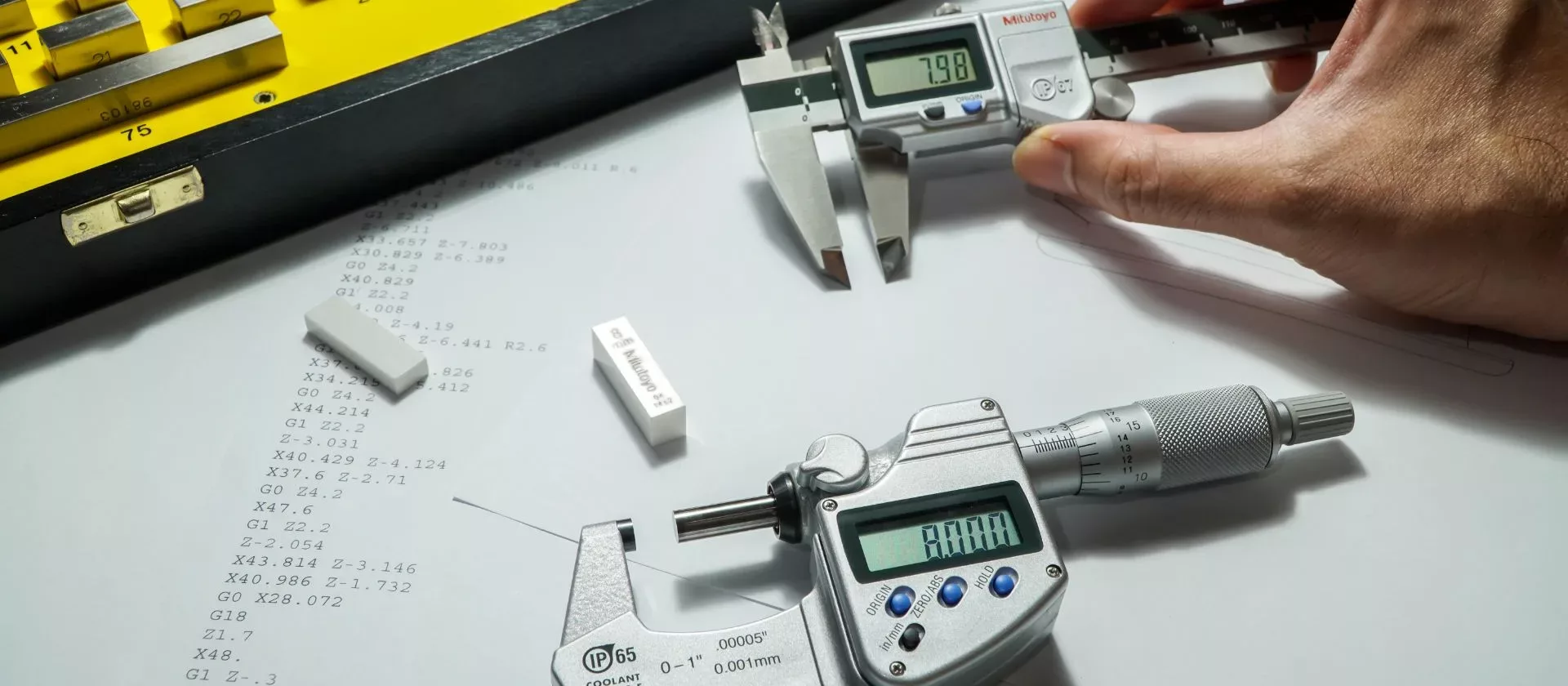
For an angled or offset locking hole, we ask which datum locates the hole and how the OEM verifies alignment with the targeting guide. We agree which interfaces need a dimensional report and which need a check with the mating screw, end cap or guide before transfer.
Explore precision machining at Croom · See our inspection capabilities · Explore trauma plates and bone screws
What should an OEM include in a nail RFQ?
Share the shaft and locking component drawings, the shortest and longest sizes, bore requirements, material and finish, and annual demand by size. For a transfer, include the gauges, mating instruments and any inspection methods your team needs to retain. We use these to assess feasibility and identify the questions to resolve before quotation.