

Orthopedic Instrument Manufacturing
Orthopedic instrument manufacturing
The implant and the instrument have to fit together
For a shoulder stem and its broach, the important detail may be where the last tooth finishes. For a fixation screw and its driver, it may be how the tip engages the recess. Croom Medical’s machinists and toolmakers in Limerick review those features against the implant, instrument and gauge drawings before planning a production route.
Instrument families we review
Broaches, rasps and reamers
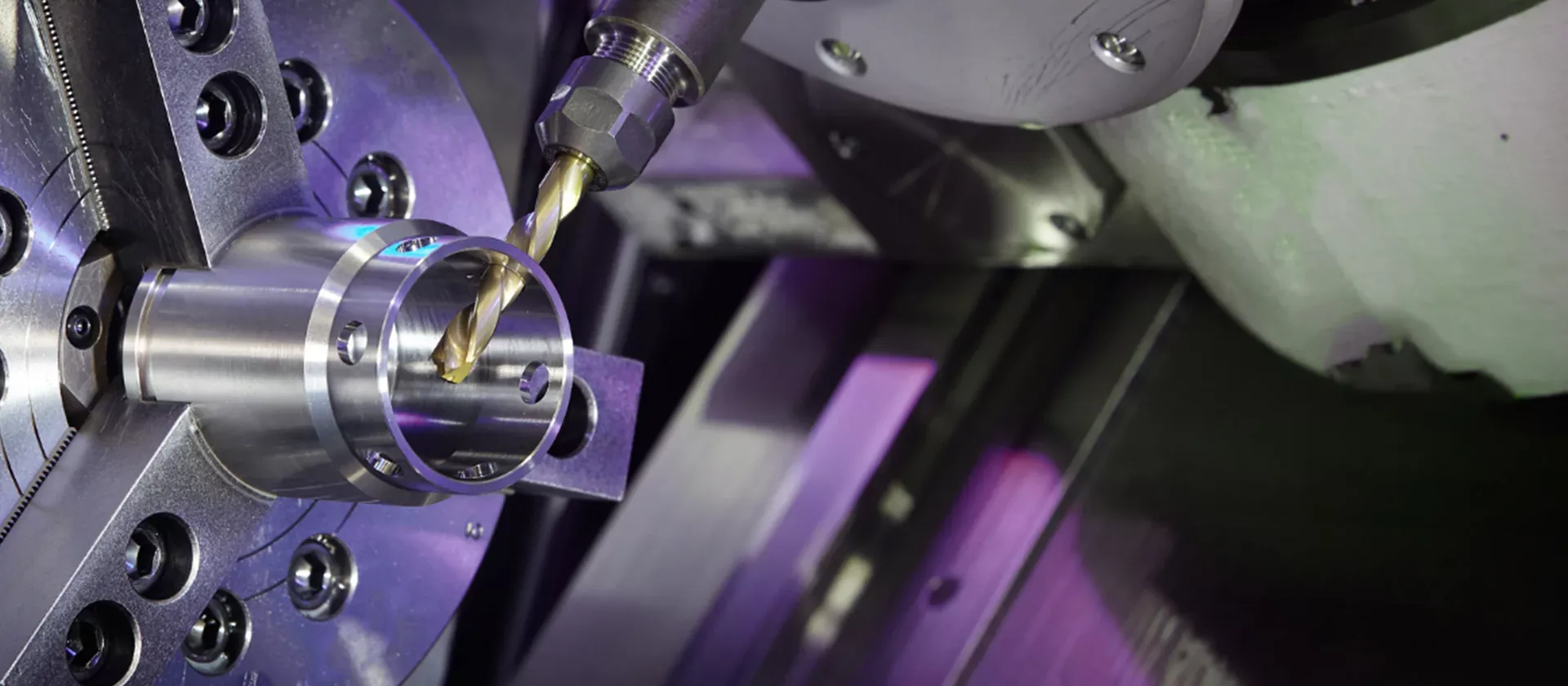
Tooth form, cutting-edge condition and the transition into a non-cutting feature influence how we hold, machine and inspect the instrument. We review where the drawing permits support and how the geometry changes from one size to the next.
Trials and guides
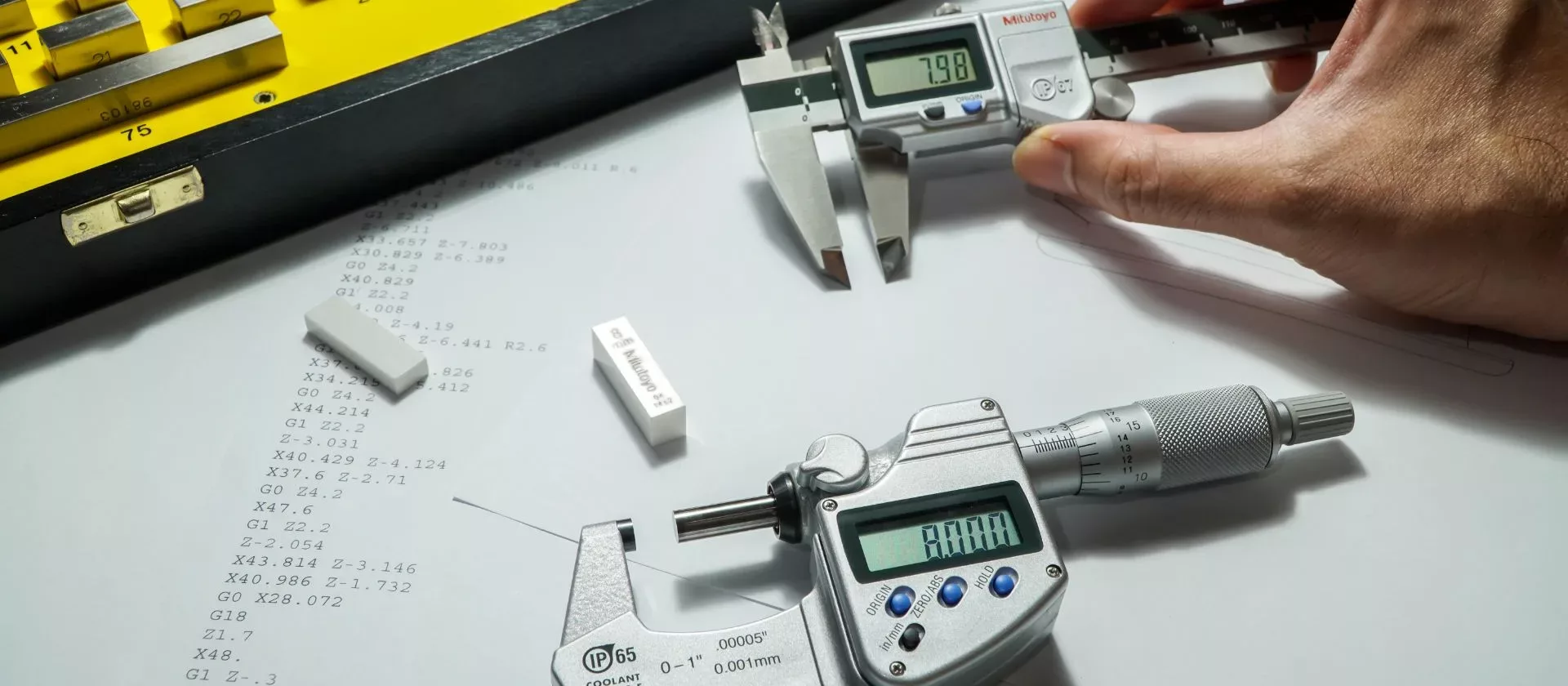
The review starts with the implant or mating instrument. We identify the locating faces, offsets, guide bores and stops, then agree how the fixture and the inspection setup will reference the same features.
Drivers, drills and taps
For a driver, the tip, shaft and coupling each have a separate job. We review the drive fit and runout against the OEM’s requirements. For drills and taps, we also review the cutting geometry and how it will be checked.
An in-house toolroom for production fixturing
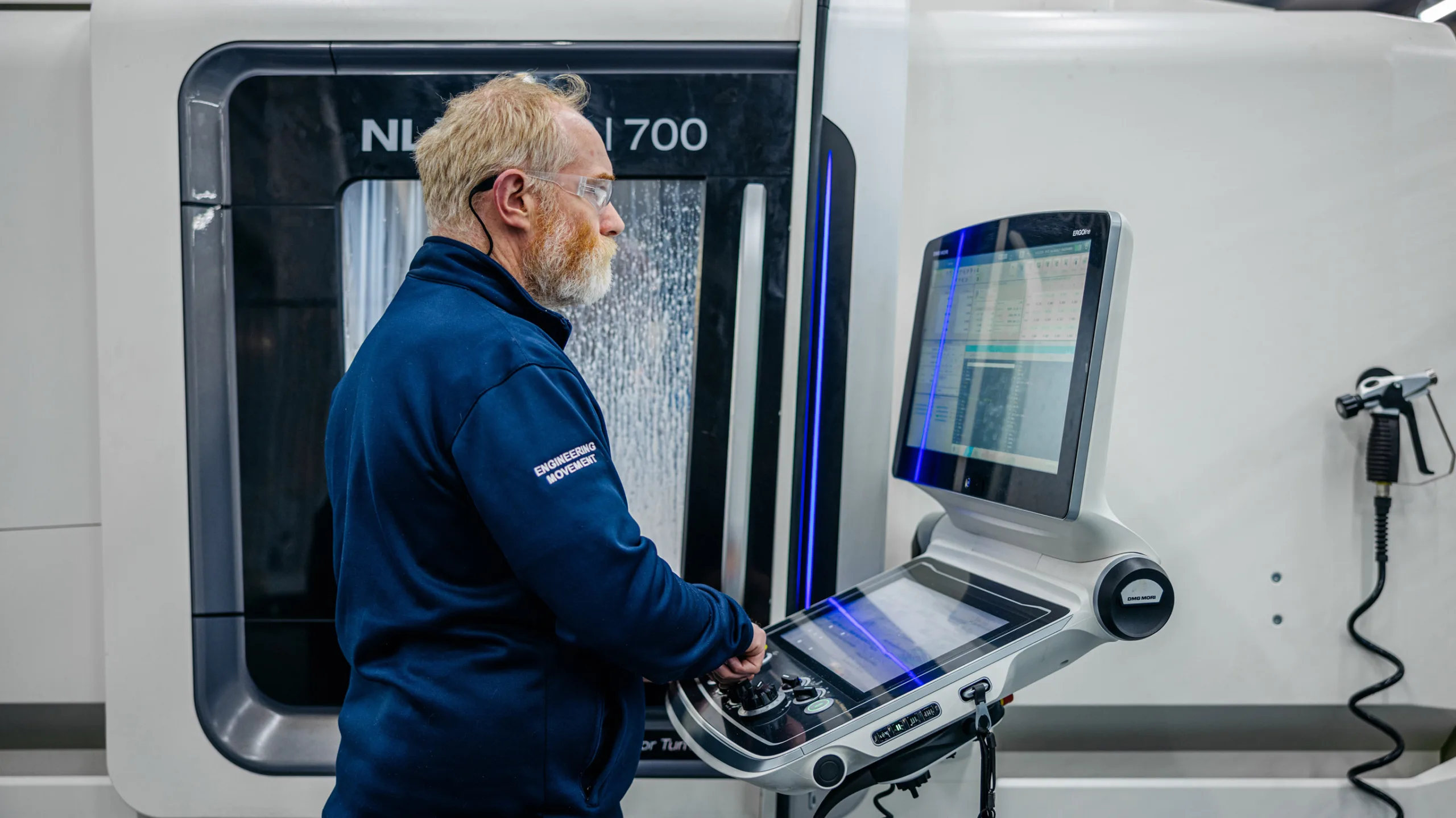
Croom began as a precision toolmaker in 1984. Today our toolroom builds workholding for the machining floor. Mill-turn and sliding-head machines support rotational features, while five-axis milling gives access to features on different faces. We choose the route around the instrument and its size range.
Read about our instrument machining investment · Explore testing and inspection
Planning a new instrument set or a second source
Identify the instrument family, mating implant or connection, material, hardness and finish, and expected quantity by size or set. For a transfer, tell us which master samples or functional gauges are already part of acceptance.