

Interbody Cage Manufacturing
Interbody cage manufacturing
From a cage drawing to a manufacturing route
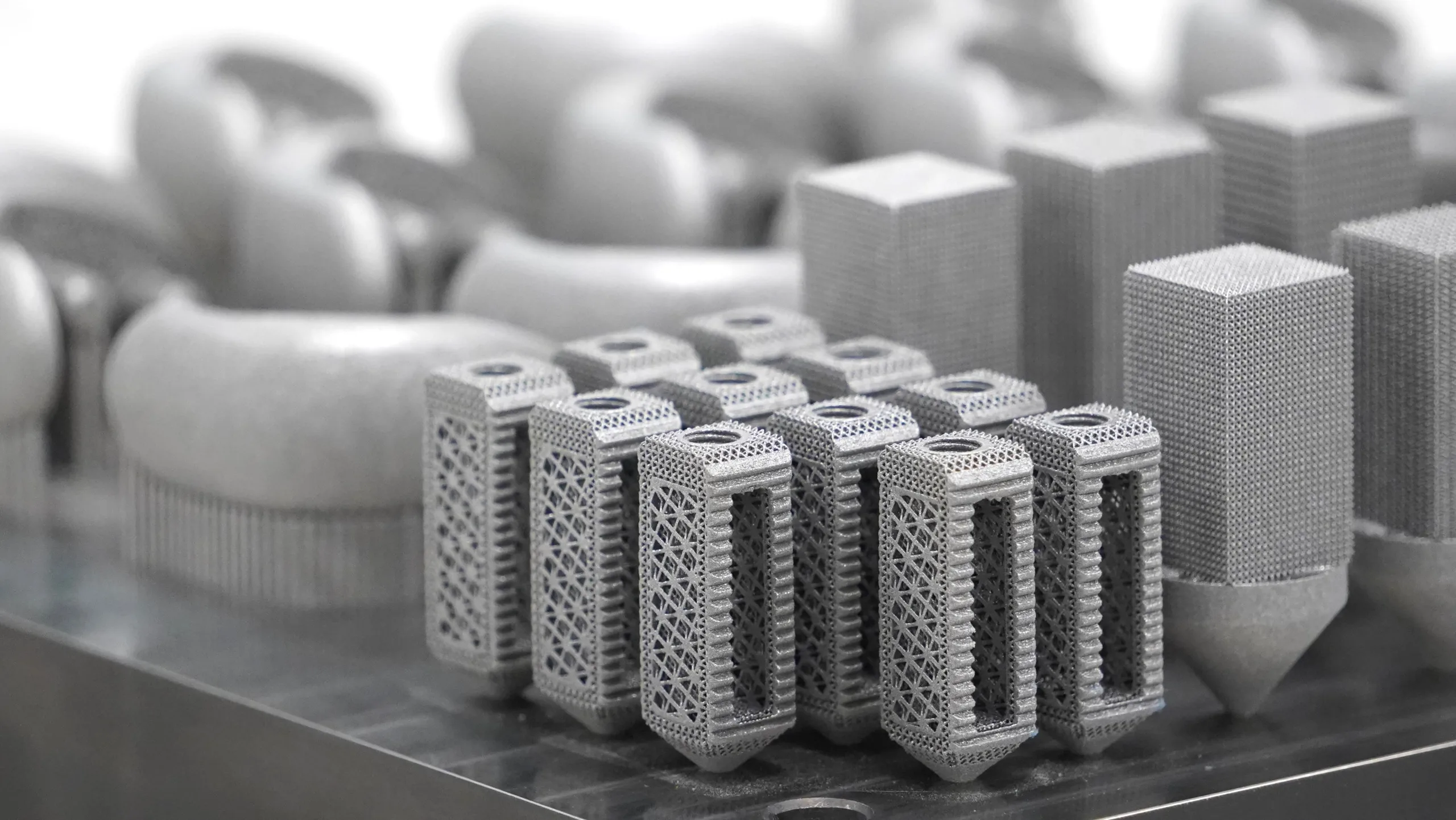
Croom Medical supports orthopedic OEMs developing or transferring ALIF, PLIF and TLIF interbody cage families in Limerick, Ireland. The first review starts with the surfaces that must match the insertion instrument and the geometry the OEM wants to achieve inside the cage. Those features help determine which operations need machining and where metal additive manufacturing can add value.
Machined and porous cage designs
Machined features
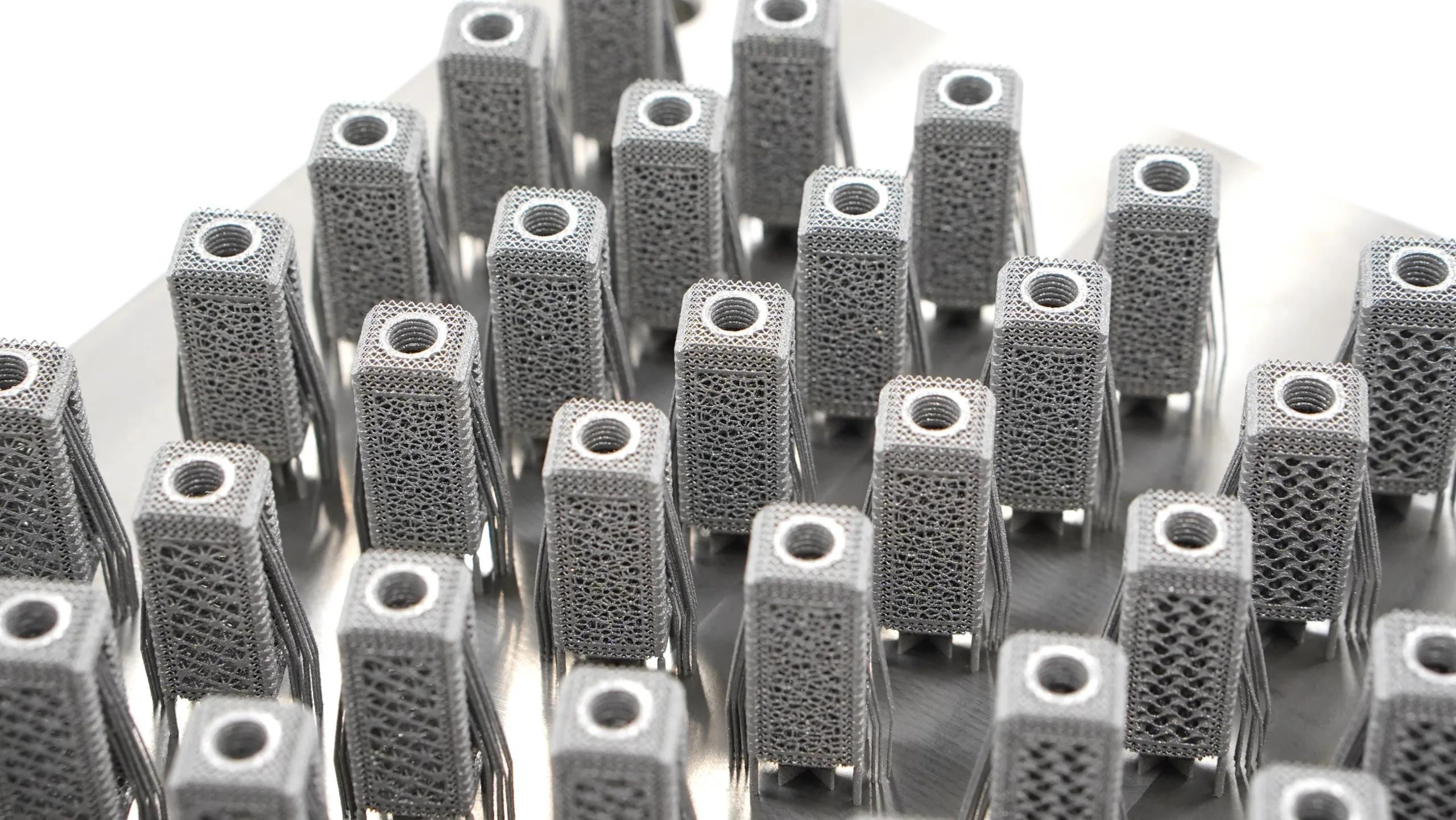
On a machined design, we review tool access to the graft window, the surfaces used to locate the part in a fixture, and the instrument connection. A small change in footprint or height can affect how a fixture holds the next size, even when the connection stays the same.
Porous structures
For a design with a specified lattice, the review covers the boundary between solid and porous regions, access for powder removal, and the surfaces reserved for finish machining. The OEM identifies which features need dimensional results and which require separate process evidence.
What to include in an interbody cage RFQ
Send the released drawings and models, material specification, cage sizes, mating instrument information and expected quantities by size. Identify any protected surfaces, cleaning requirements and inspection methods that must carry over from the existing route. For a development enquiry, mark the features still open for review.
Metal additive manufacturing · Testing and inspection · Spine implant manufacturing